
Posted by The Haunted Librarian | Filed under The Haunted Librarian, The Haunted Librarian Radio Show
15 Tuesday Dec 2020
Posted by The Haunted Librarian | Filed under The Haunted Librarian, The Haunted Librarian Radio Show
10 Thursday Dec 2020
Posted in The Haunted Librarian, The Haunted Librarian Radio Show
≈ Comments Off on Haunted Bay City, Michigan


Tomorrow, Thursday, December 10th, author and paranormal investigator Nicole Beauchamp guests on The Haunted Librarian Show to discuss her new book, Haunted Bay City, Michigan. Tune in at 9 PM EST on Midnight.FM as we discuss several of the stories haunting this historic town.
Additional Links:
Tri-City Ghost Hunters Society, https://www.facebook.com/TCGHS/
Haunted Bay City, Michigan: https://www.amazon.com/dp/1467146706/ref=cm_sw_r_cp_api_glc_fabc_WEt0FbB1K7KF1?fbclid=IwAR0p9y6dW9Lptr5Cu1HWhfZDvfYwfeOklHRwOZH832YvIrciFvMWNjVvkZk
07 Monday Dec 2020
Posted in Shadow People, Uncategorized
≈ Comments Off on Shadow People Shouldn’t Scare You
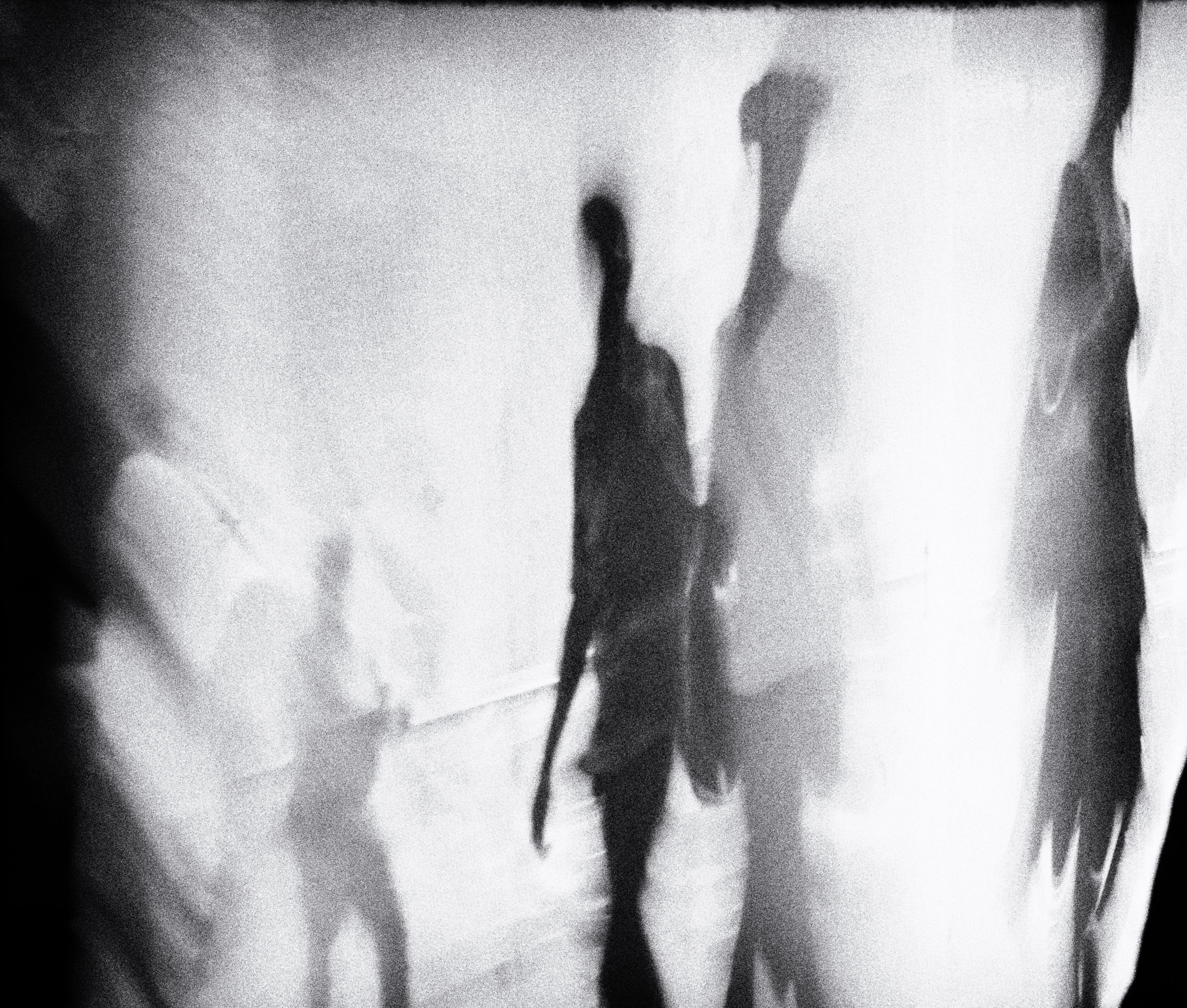
Shadow People seem to be this year’s go-to response on paranormal TV shows. The immediate knee-jerk reaction is: It’s a shadow person and you’ve got to move! This is far from the truth. Likewise, it is unfortunate that paranormal investigators presume the term is new. It isn’t. There is still so much to learn about these creatures that it is irresponsible to tell a family to relocate. Instead, there is a need for more collection of data on shadow people.
Shadow people are not a new paranormal phenomena. They can be a shadow, solid form, or a black mass, and stories about them go back to ancient Egyptian times where one of the seven souls was the khailbut, a shadow. They believed that the shadow was always present, even after death. In The Egyptian Book of the Dead, the deceased was often depicted as a shadow, or silhouette, with little descriptive features. It was not evil unless the deceased was evil in life. The majority—if not virtually all—shadows were merely representative of good.
The ancient Greeks and Romans also believed in shadow people. The “umbra” or “shade” was the spirit of a dead person. Again, this was not evil or up to evil deeds. In fact, the Latin word “umbra” is used today in “umbrage” which means to give shade to a person or subject. Here the word is used negatively as taking offense or being annoyed; however, the word is not meant to be taken as literal wickedness.
In the 1690s a new use of the word “umbra” emerged. Here the word was used to identify “an uninvited guest accompanying an invited guest.” This usage evolved as the phantom was now uninvited and possibly unwanted or unknown.
This would explain today’s feelings toward a shadow person. The silhouette seen is unknown to the onlooker, who may fear the shadow. At no time should the shadow person be assumed to be evil.

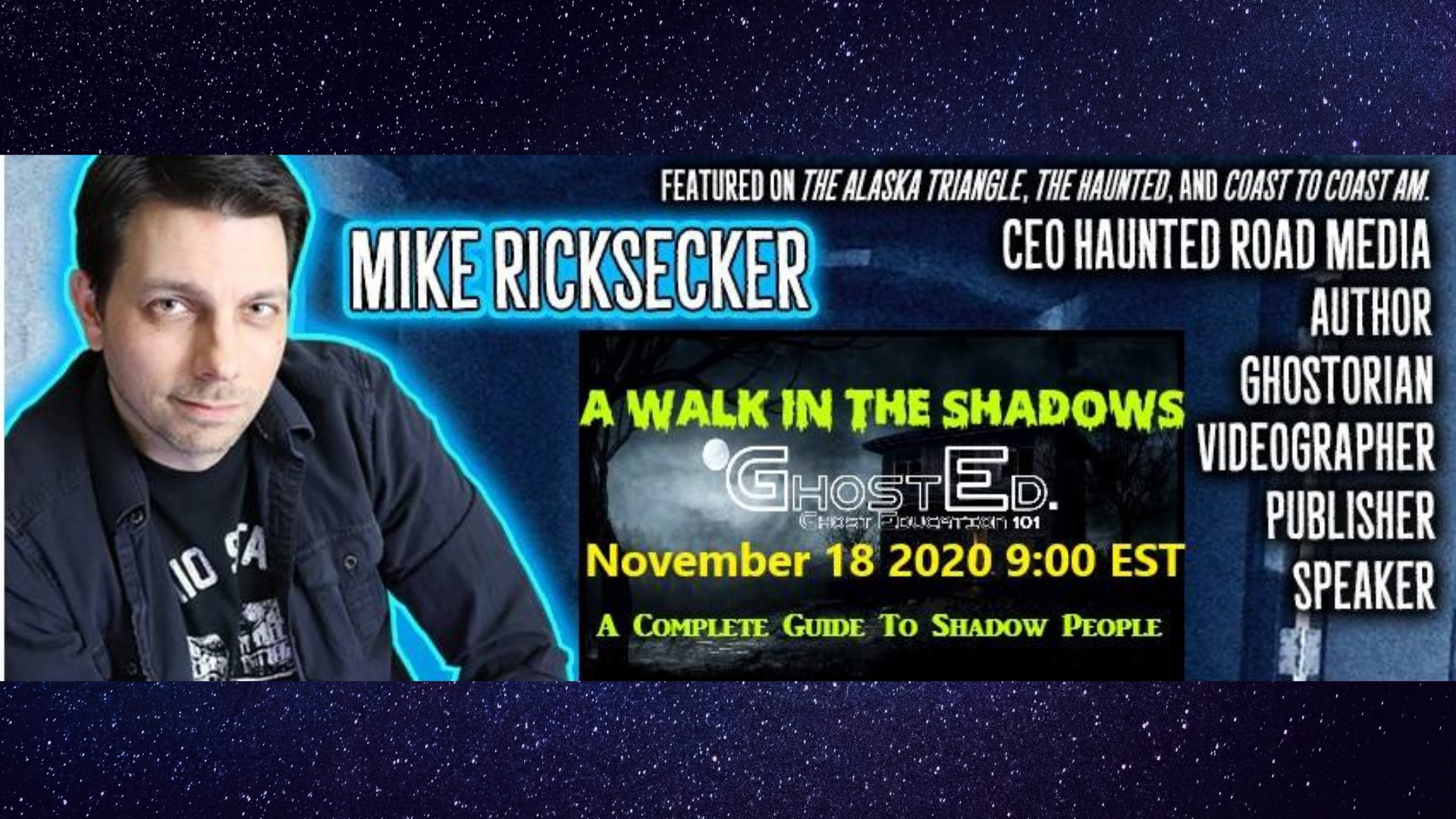
It is important to note that various cultures across history have recorded versions of shadow people. One expert in the field is Mike Ricksecker, author of A Walk in the Shadows: A Complete Guide to Shadow People (2020). Mike theorizes that shadow people may also be interdimensional beings. His book includes personal accounts discussing his first experience with a shadow person, along with his multi-decade fascination investigating them. You may know Mike from his appearance on The Haunted episode “Monster in the Closet” from 2011. In addition to his book, Mike gave a lecture on shadow people for Ghost Education 101. Click here to watch the presentation: https://www.youtube.com/watch?v=NVjppVdtMHw.
Although the concept of shadow people is not new, several paranormal TV shows have focused on the phenomena recently. Some link the phenomena to sleep paralysis (another phenomena that should be researched more). However, shadow people should not be isolated to experiences of sleep paralysis. The key is that many people witness shadow people while awake and going about their day.
Another popular theory is that shadow people are extraterrestrial (ET). This concept differs from Mike’s interdimensional being in that an ET is an alien being coming from outer space, whereas the interdimensional being originates on earth.
When searching for online images of shadow people, it is interesting to note that many artists assign genders to them. If someone witnesses a shadow person, he generally does not note a gender. In fact, a lot of sightings lack gender descriptions. The exception is when the shadow person transforms into an apparition. For the most part, shadow people are non-gender assigned.
There isn’t one theory or explanation for shadow people; however, there is a need for more research. If you encounter a shadow person, don’t presume it is evil. Most likely, it is merely looking to communicate.
04 Friday Dec 2020
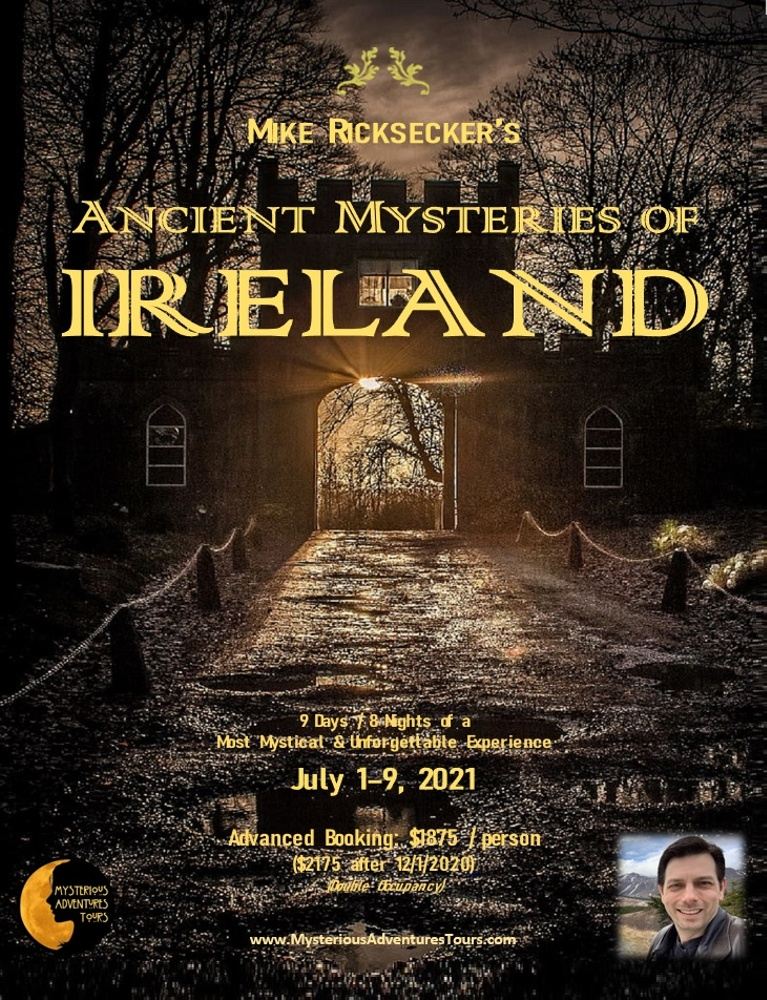
I’m daydreaming of my post-COVID travel plans. One excursion that looks totally enticing is Mike Ricksecker’s Ancient Mysteries of Ireland trip next July.
Scheduled to begin July 1, 2021, this 9-day/8-night adventure offers a variety of mystical and haunted locations in Ireland. In true Irish fashion, there are a lot of castles on the itinerary.
The first stop is Blarney Castle, where one can kiss the Blarney Stone, a ritual where a person lays on her back, leans down with the assistance of castle docents to kiss the stone upside down. Back 20 years ago, my mother did it. I declined. The act supposedly confers upon the person the “gift of gab.” The person was to obtain the ability to speak eloquently. However, the “gab” implies the ability to speak unnecessarily—not really a trait I’m seeking.

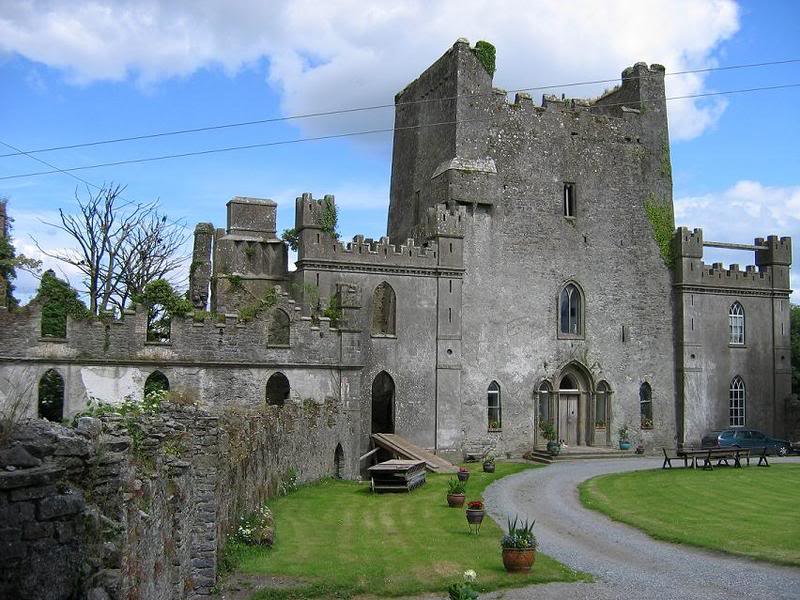

One stop that does hold my interest is Desmond Castle (Kinsale) where in 1747 a fire broke out killing 54 prisoners, most who were of French descent. The tower house structure is known locally as the “French Prison.” The building was donated to the town of Kinsale in 1791 and has served as a prison and poor house. There are several ghost stories attached to the building.
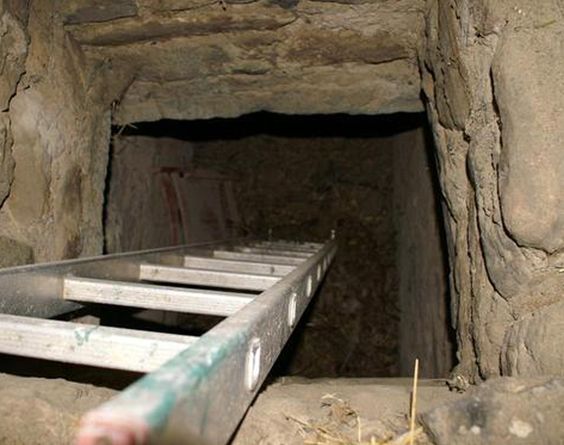
Probably the most intriguing castle on the tour is Leap Castle (believed to be built circa 1250 CE, though some sources date it at 1500s). The striking feature of this castle is the discovery of the oubliette, an underground dungeon with wooden spikes. During a period of renovations in the “Bloody Chapel,” workers located human skeletal remains in the chamber. A watch dating from the mid-1800s shows that the act of impaling people was used quite recently. Tourists report two tales of hauntings: The Red Lady and ghost children Charlotte and Emily.
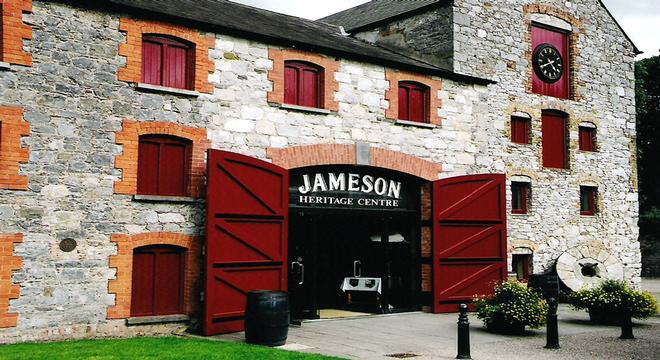


The itinerary includes several favorite tour destinations like the Jameson Distillery Midleton; Spike Island Prison, once the largest prison in Ireland dubbed “Ireland’s Alcatraz”; and “Kindred Spirits” a stainless-steel monument honoring the Choctaw Nation (U.S. Native American Indian tribe). Book your tour by following the links below. This tour combines history with interesting locations that would capture any paranormal investigator’s imagination.
For more information:
https://www.hauntedjourneys.com/mike-ricksecker-s-ancient-mysteries-of-ireland
https://www.hauntedjourneys.com/mike-ricksecker-s-ancient-mysteries-of-ireland
27 Friday Nov 2020
Posted in Horror TV Shows, TV Reviews
≈ Comments Off on Netflix Debuts Egyptian Series Paranormal


Paranormal (2020-)
Netflix offer an original 6-episode horror series set in Cairo, Egypt. Paranormal (2020-) is based on the book series by Ahmed Khaled Tawfik and set in the 1960s. Dr. Refaat Ismail, an Egyptian hematologist, who lives by a set a laws based off of Murphy’s Law, loosely phrased “laws” of nature dating back to the 1940s. Dr. Refaat becomes the city’s “go-to guy for paranormal” activity. This low-budget series is deeply satisfying and addictive.
Netflix offers a dubbed version. Each episode features a different paranormal phenomena which links the entire season. The series works in a lot of historical references. Pay attention and try to catch them. Netflix has not announced a second season; however, this is standard for the streaming service which generally waits several weeks before making a decision. Tune in and expect to emerge several hours later.
02 Monday Nov 2020


27 Tuesday Oct 2020
Tags

During the Victorian Era, body snatchers dug up recently buried corpses to sell the organs. These people became known as Resurrection Men. They differed from grave robbers, who merely removed valuables from tombs. Resurrection Men stole bodies, and the practice ran rampant as medical studies and schools expanded during this time period. Often families guarded deceased relatives until and after burial. In order to safeguard the human remains, new burial practices were set in place.
Internment methods included burying humans in iron coffins. Almond Dunbar Fisk invented the Fisk Metallic Burial Case in 1844 in Queens, NY. A patent for these air-tight coffins was awarded in 1848. His father-in-law, Harvey Raymond, joined him in business to form Fisk & Raymond. These coffins proved effective against body snatching; however, they came with a high cost.


A cost-effective solution would be the installation of mortsafes across the grave. Invented in 1816, the mortsafe was a contraption of iron plates secured with rods and then padlocked. The grate system would safeguard the gravesite and coffin until the body had begun to decompose, which would make it useless to body snatchers. Churches and cemeteries rented the devises out.
Watchtowers were also built. Residents formed watch groups, known as “watching societies,” that patrolled the cemeteries; however, graves were still desecrated. Many found that a combination of constructed watchtowers and mortsafes protected the recently deceased.
The most famous Resurrection Men were William Burke (1792-1829) and William Hare (dates unknown), who found body snatching quite lucrative. Burke and Hare were accused of murdering 16 people in 1828 in Edinburgh, Scotland. Hare and his wife ran a boarding house. When a customer named Donald died on November 29, 1827, Hare and Burke decided to sell the body to Dr. Robert Knox, who taught anatomy classes. The money was great, and the two conspired to begin killing for profit. It is widely speculated that both spouses knew of and possibly assisted in the murders.
Margaret Docherty was the pair’s last victim. She was lured to her death on October 31, 1828. Ann and James Gray, guests lodging at Hare’s house discovered her body. Hare was offered a plea deal, and he turned on Burke. Interesting enough, the police did not have enough evidence to prosecute either for Docherty’s murder. Instead, they relied on Hare’s confession to press charges against Burke and his second wife Helen “Nelly” McDougal. Hare could not be compelled to testify against his wife, Margaret Laird, who was subsequently released.
Burke was tried for three murders and found guilty of one. He was sentenced to hang. His wife was acquitted, though not formally found not guilty. Burke was hanged on January 28, 1829. Some 25,000 people watched. His corpse was dissected on February 1st. His skeleton remains on display to this day at the Anatomical Museum, Edinburgh. The History of Surgery Museum, housed in the Surgeons’ Hall Museums complex, houses Burke’s written confession, his death mask, and a pocketbook supposedly made from his skin. All can be viewed online, https://museum.rcsed.ac.uk/history-of-surgery-museum.

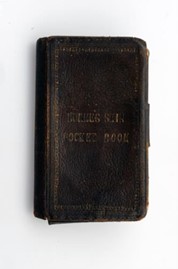

There are no reports of what happened to Hare; his wife, Margaret; or Helen after they were escorted separately out of Edinburgh.
England passed the Anatomy Act of 1832, which essentially ended the practice of stealing corpses to sell to medical schools in England. However, the lure of stealing bodies and performing experiments still happens—though not nearly as many as back when the Resurrectionists were paid top-dollar and not asked any questions.
20 Tuesday Oct 2020
Posted in Dolls, History, Midnight.FM, Toys & Games
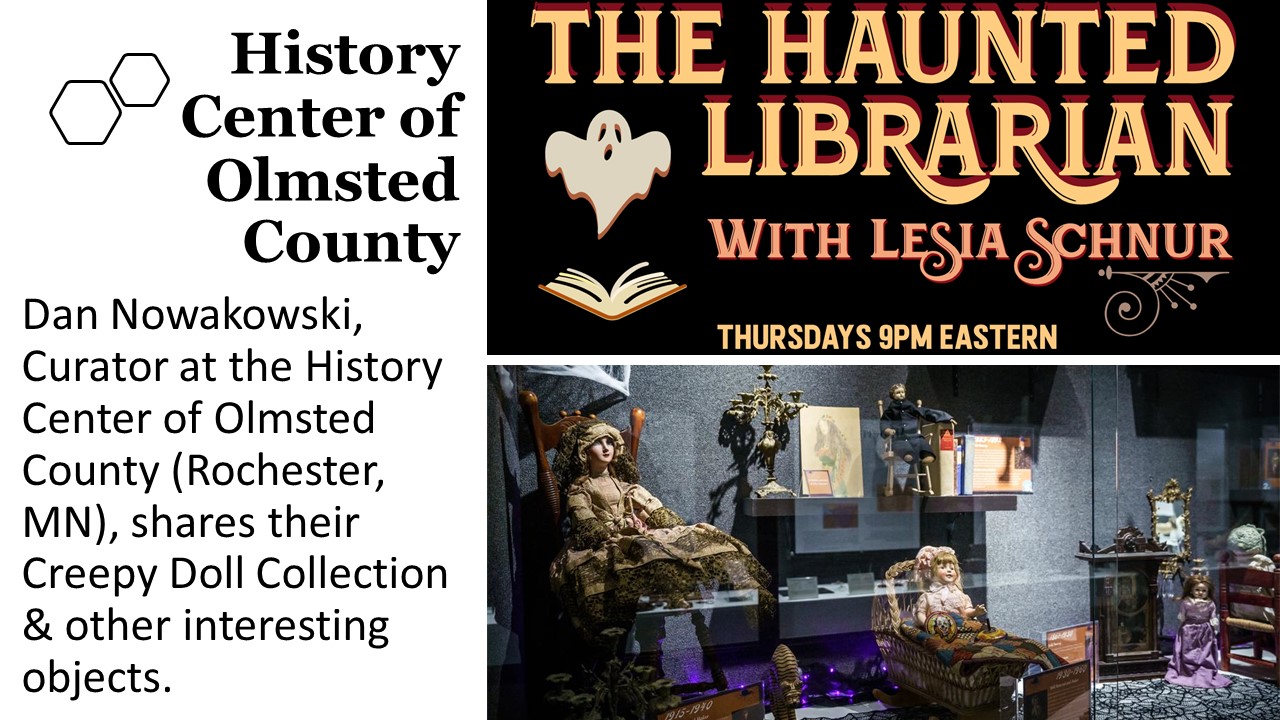
The History Center of Olmsted County (Rochester, MN) held a Creepy Doll 2019 Contest last year. The “contestants” were vintage, old, and well-worn. The contest was very popular, with a circa 1850’s handmade doll missing her right arm winning. (See https://thehauntedlibrarian.com/2019/10/25/creepy-doll-contest/) All nine dolls were placed on exhibit. This year offers nine new—well, technically old—dolls for consideration. In-person voting started on October 1st, and virtual voting runs October 14-24 (links below). The winning doll will be announced on October 28th and will be crowned on Halloween. Learn more about the dolls Thursday, October 22nd when Dan Nowakowski, Curator at the History Center, joins me on The Haunted Librarian Show.
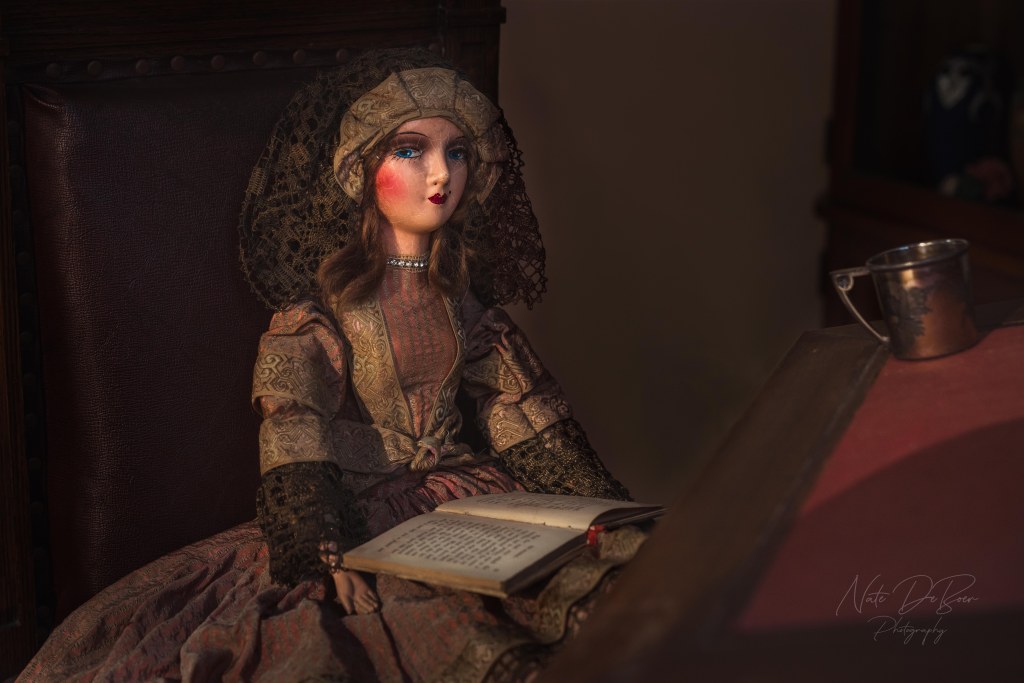

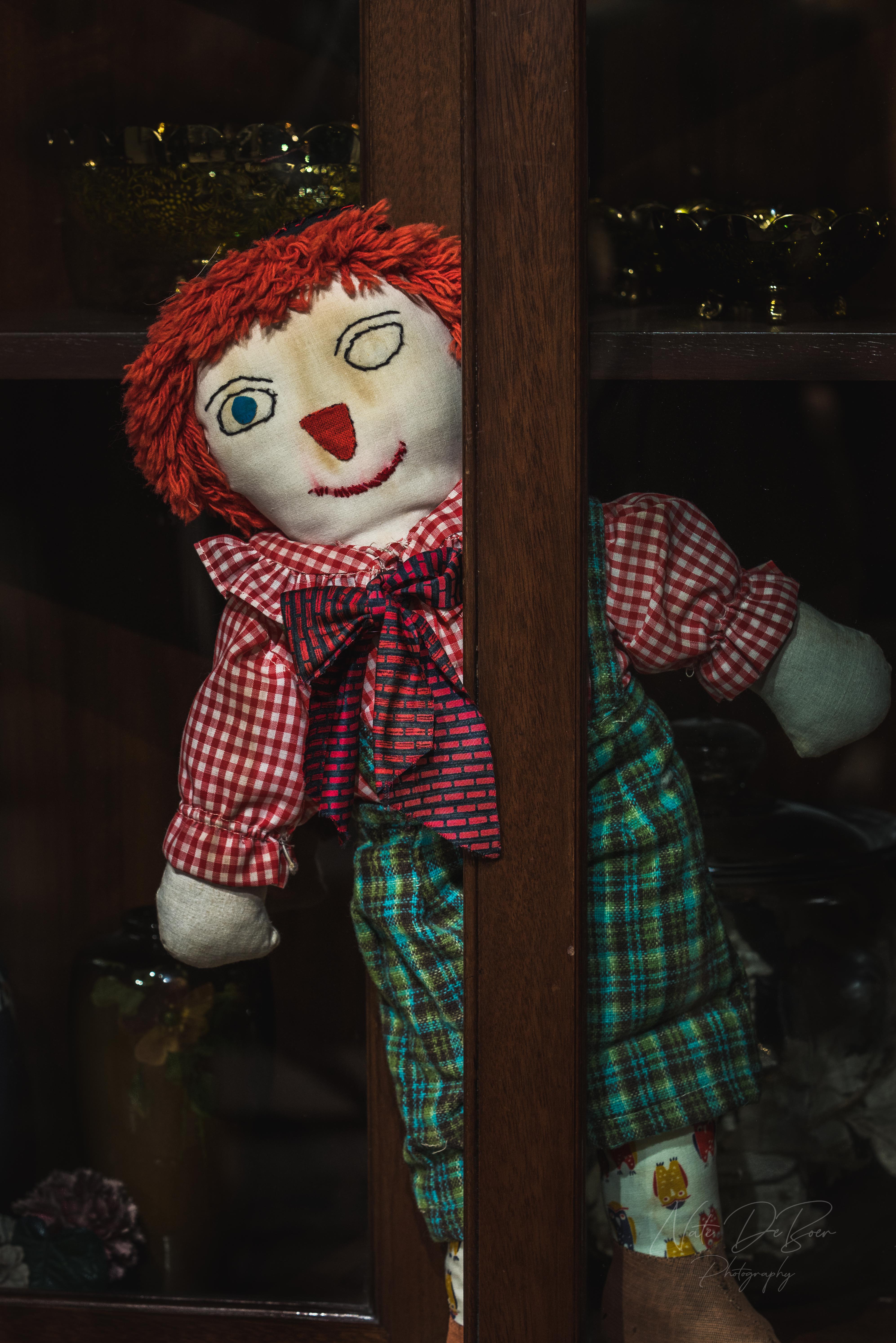
Doll 1: Arsenic and Old Lace; Doll 2: Squeaks; and Doll 3: Stanley Kubrick are displayed above.
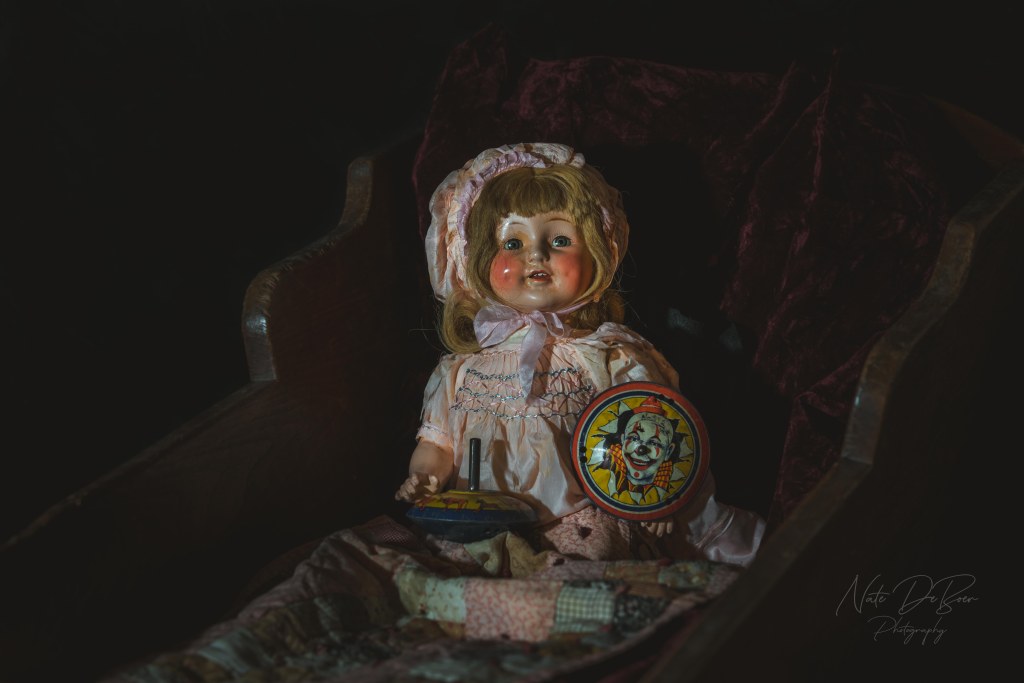


Doll 4: Bela Lugosi; Doll 5: Frankenstein; and Doll 6: Shirley Jackson are displayed above.
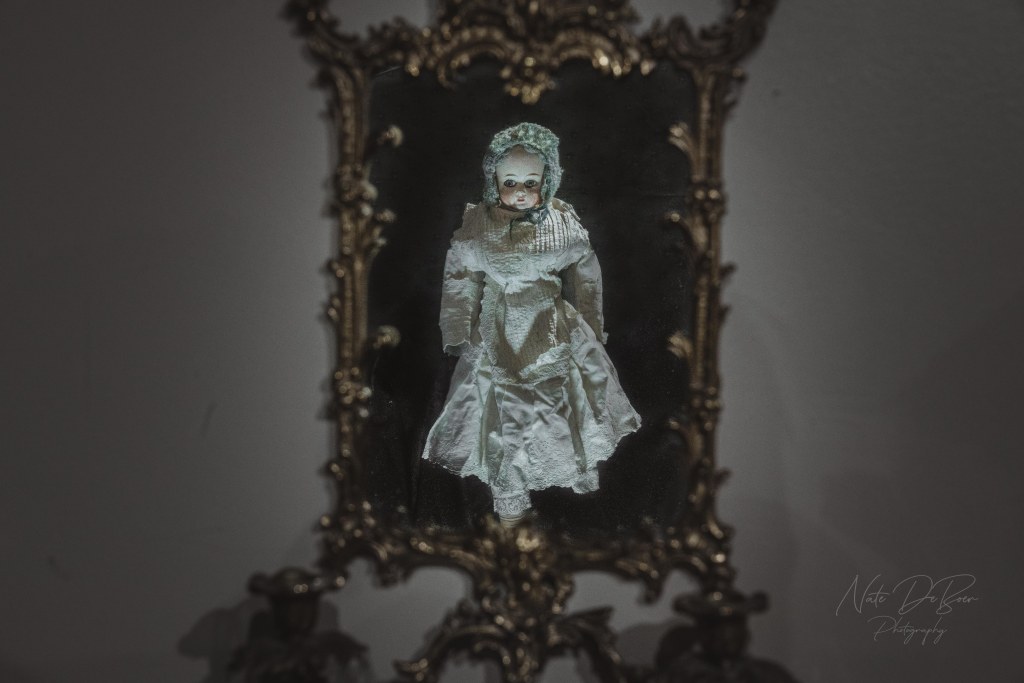
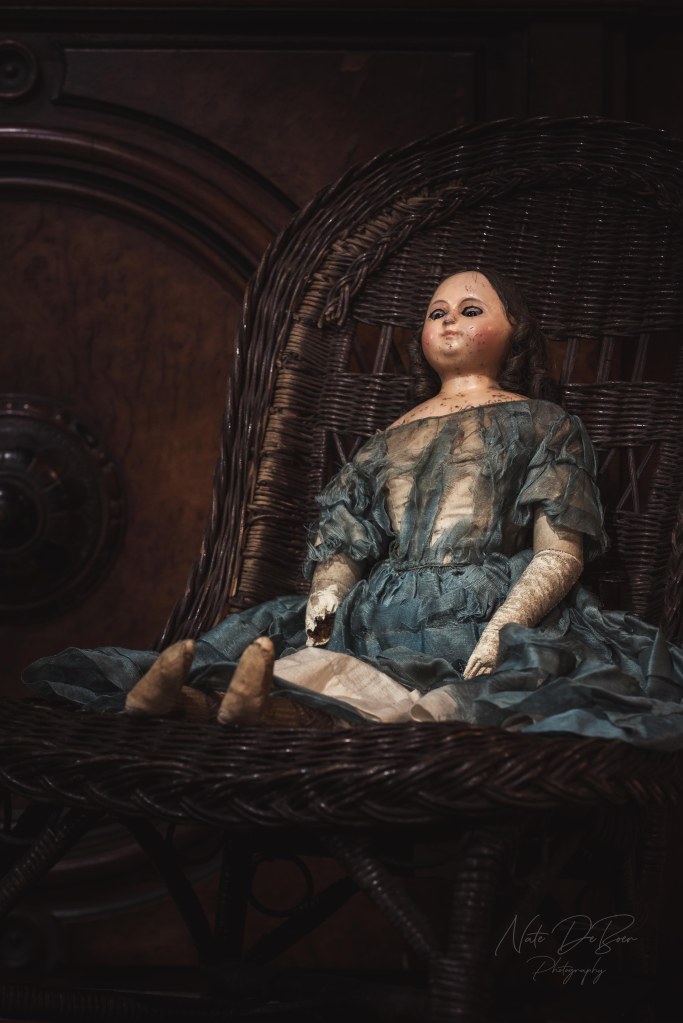
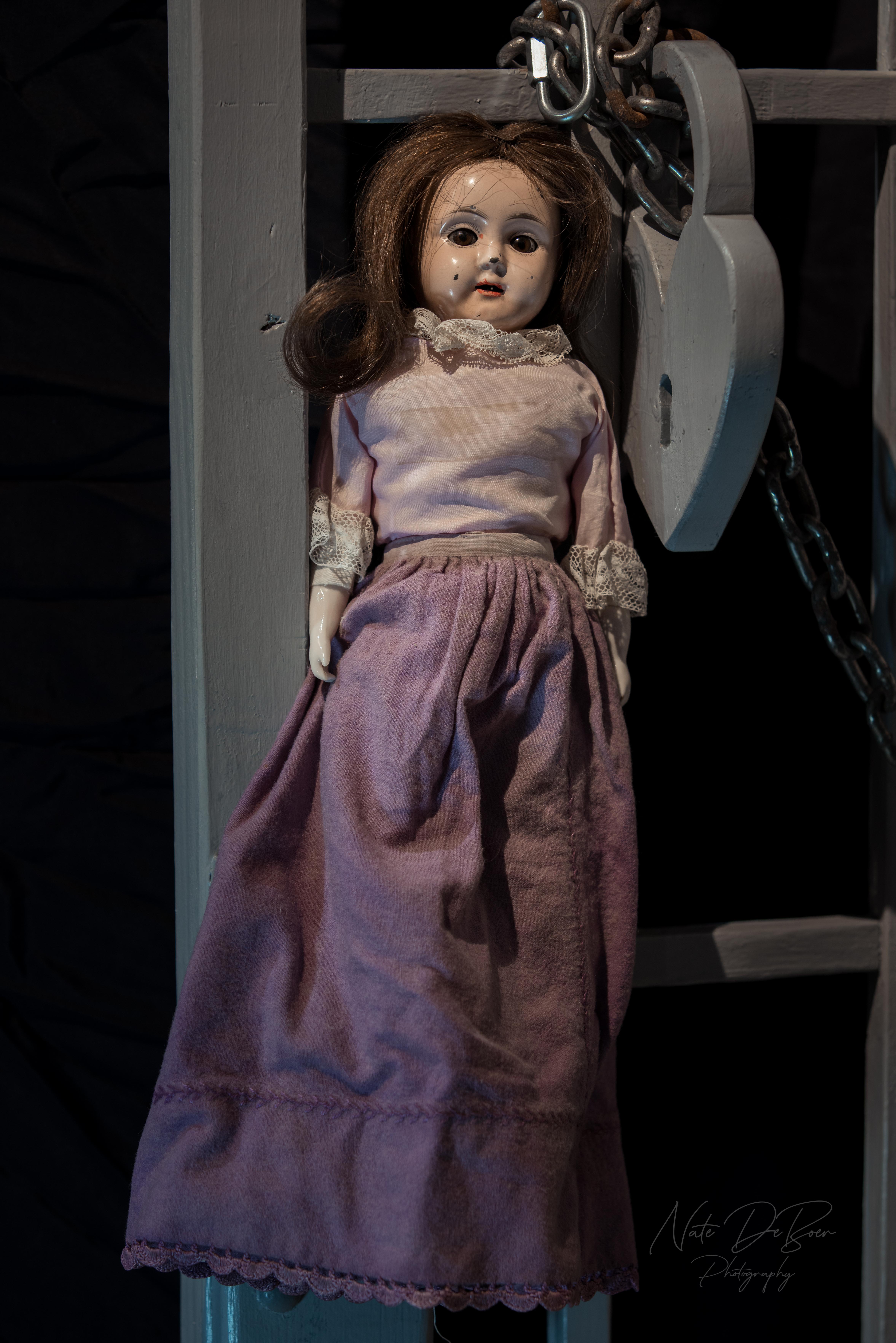
Doll 7: Victorian; Doll 8: Lady MacBeth; and Doll 9: Mrs. Danvers are displayed above.
Each doll sits in themed vignettes with information regarding provenance, materials, and information regarding the doll. It is quite exciting to see these dolls on display! The center has come up with a clever way to pass down stories of former residents while exposing the collection to a wider audience.
Toy dolls remain popular. According to The Toy Association, retail sales of dolls in the U.S. in 2019 topped $3.22 billion dollars and accounted for nearly 12% of the $27 billion dollar industry. Unfortunately, most dolls don’t make their way into historical centers. That’s why this collection is important. It chronologizes the history of the county.
Although last year, I had a clear favorite, this year is a challenge. I’m leaning toward one of the porcelain beauties. I look forward to voting!
Tune in every Thursday at 9 PM EST on Midnight.FM as I chat with people who are working in the strange and unique.
For more information and to vote, visit:
Website: https://www.olmstedhistory.com/
Facebook: https://www.facebook.com/OlmstedHistoryCenter/
Instagram: https://www.instagram.com/olmstedhistorycenter/
16 Friday Oct 2020
Posted in ITC Devices, Paranormal Tools
≈ Comments Off on ITC: A Short Primer
Tags
attila von szalay, frank sumption, frank's box, george meek, spiricom, thomas alva edison, william bill o'neil
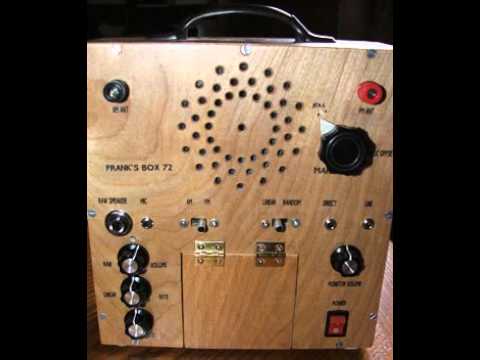
Instrumental Trans-Communication, commonly known as ITC, is communication with non-living creatures. The communication can be one-way or two-way, where a person converses with the non-living entity. ITC is the bread-and-butter of TV paranormal shows. Further, there are lots of devises you can use to capture this communication. One of the most popular is the Frank’s Box, named after Frank Sumption, who died of a heart attack at the age of 60 in 2014. Even though Frank is credited with inventing the modern Ghost Box, he was not the first. Ghost Boxes have captured the imaginations of inventors and investigators for decades.
Spirit communication can be captured on audio or video. Typically, paranormal investigators incorporate both in an investigation setting up infrared cameras to capture movement and sounds and voice recorders. Many teams have added some form of a spirit box into their repertoire of tools.
Thomas Alva Edison (1847-1931) supposedly stated that he was working on a devise to communicate with spirits. Scientific American author Austin C. Lescarboura clarified Edison’s comments in the October 30, 1920 issue. Edison, much to the disappointment to the Spiritualists, was not working on a devise to communicate with the dead. In fact, he did not believe that it was possible.
In 1941, photographer Attila Von Szalay (dates unknown) recorded “phantom voices” on his 78-rpm records. Working with Raymond Bayless (1920-2004), Von Szalay published these findings in 1959.
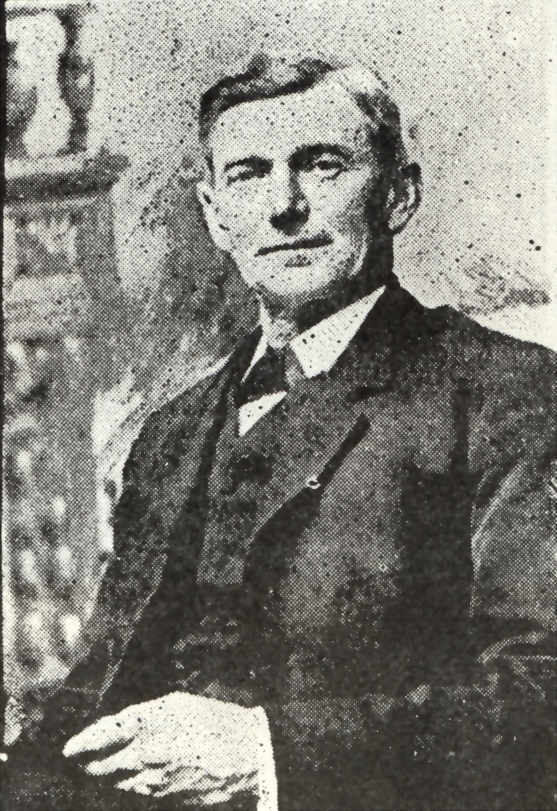
During the same year, Friedrich Jurgenson (1903-1987) captured mysterious voices while recording bird calls. Jurgenson claimed his dead mother was attempting to communicate with him.
Jump to 1980 and the supposed Spiricom, devised by George Meek and operated by psychic Bill O’Neil. Ultimately, these “communications” were possibly debunked by Dr. Terrance Peterson. The Spiricom didn’t come to full fruition and sits unused to this day.

Then came Frank Sumption, Sr. In 2002, Frank took a radio and altered it to scan the white noise on the AM band. Frank did not realize a financial boom by making his boxes. Instead, he gave them away. Today, the 180 boxes are highly sought after.
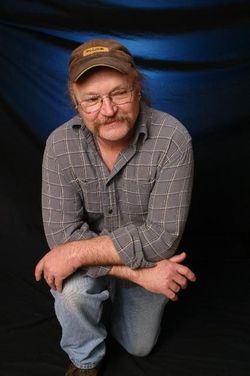
After Frank’s untimely death, interest in ITC communication is as strong as ever. And there are legitimate researchers using spirit boxes and documenting their findings. Check out Tim Woolworth’s collaborative site ITC Voices, http://itcvoices.org/.
Frank’s work paved the way for others to build their version of a ghost box. Beware, there are some who overprice and sensationalize “communication” with the recently deceased. With that in mind, try one out. You may be surprised at the results.
08 Thursday Oct 2020
Posted in Authors, Haunted Georgia
≈ Comments Off on Connie Hall-Scott
Tags

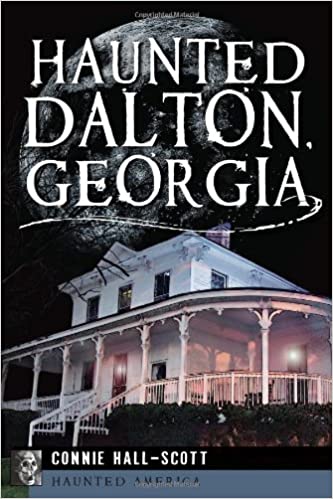
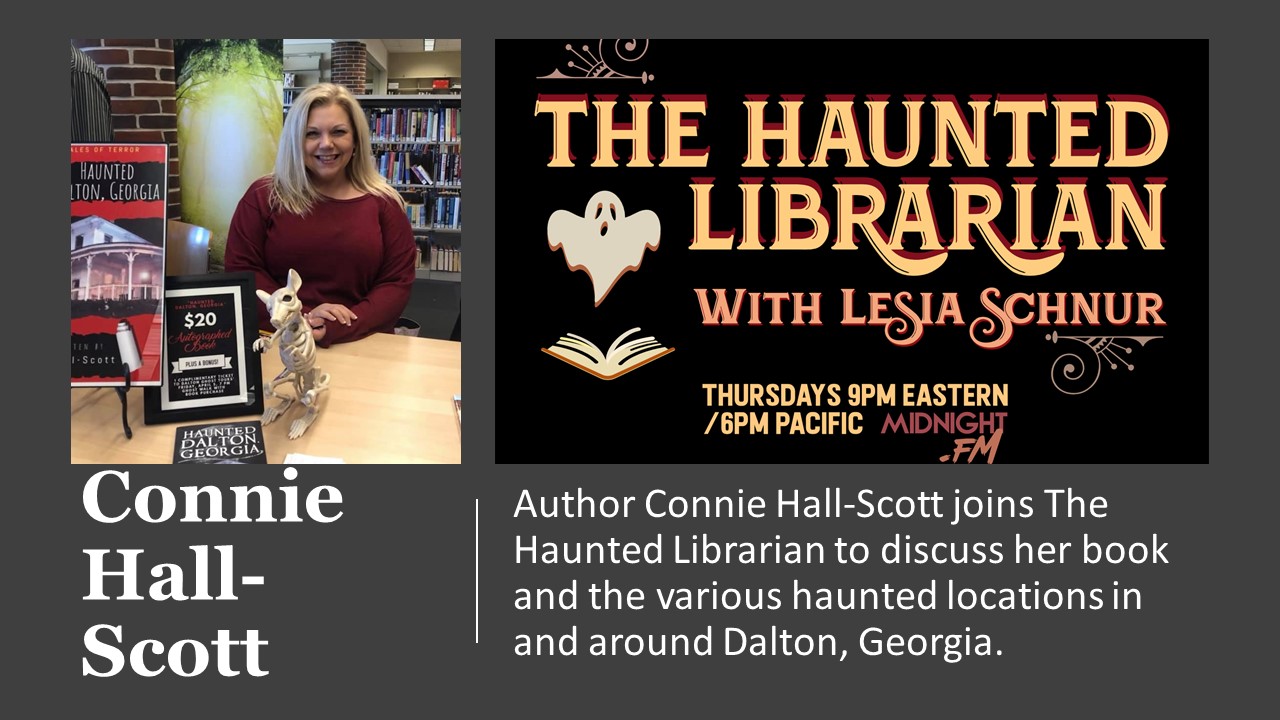
Tonight on The Haunted Librarian Show, Connie Hall-Scott discusses the various haunted locations in and around Dalton, Georgia.
For more information, follow these links:
https://www.facebook.com/HauntedDaltonGeorgia
 The Haunted Librarian
You must be logged in to post a comment.